




Introduction
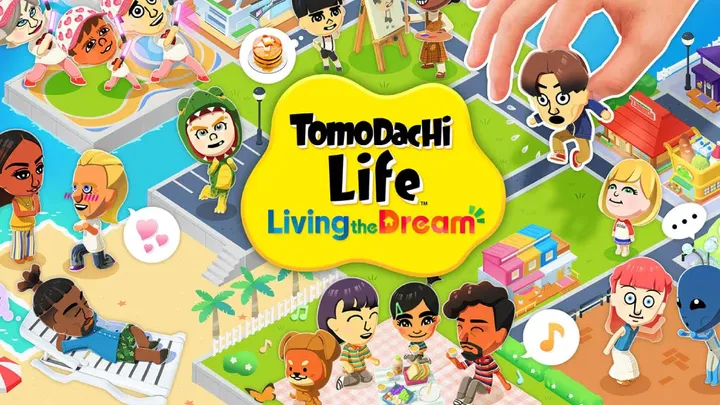
Tomodachi Life is unlike most life simulation games. Instead of directly controlling characters, players manage an island populated by Mii residents who develop friendships, romances, rivalries, and families on their own. The charm of the game comes from its unpredictability, but that same unpredictability can confuse new players who expect to have full control over every relationship.
One of the most common questions asked by beginners is why some Miis easily make friends and find romantic partners while others remain isolated for weeks. Understanding how the social system works is essential because relationships drive much of the game's content. Friendships unlock new interactions, romances lead to marriages, and marriages eventually produce children who expand the island's population.
This guide explains how to play Tomodachi Life effectively by focusing on relationship development. Rather than covering every feature in the game, this guide concentrates on the mechanics that help Miis build friendships, start romances, get married, and avoid becoming permanently single.
Understanding the Basic Goal of Tomodachi Life
Tomodachi Life has no traditional ending. Instead, players create an island community and watch stories unfold naturally.
Your primary responsibility is managing residents, solving their problems, giving them gifts, and helping maintain a healthy social environment. Every action contributes to the overall development of the island.
Creating Your First Residents
The first step is adding Miis to your island. These can be original creations, friends, family members, celebrities, or fictional characters.
A diverse group creates more opportunities for social interactions and unexpected storylines.
Why Variety Matters
An island filled with similar personalities may develop slower than one containing a mixture of different character types. Variety increases the chances of friendships and romantic pairings forming naturally.
Learning How Friendships Begin
Friendships are the foundation of every successful relationship in Tomodachi Life.
Without friendships, romantic relationships cannot develop. New players often focus entirely on romance while ignoring the friendship system that makes romance possible.
The Friendship Process
Miis usually meet through random encounters, introductions, or shared activities.
After meeting, they gradually increase their friendship level through conversations and visits to each other's apartments.
Signs of Growing Friendships
Watch for these indicators:
- Frequent apartment visits
- Conversations in public areas
- Friendship status upgrades
- Requests for advice about another Mii
- Invitations to group activities
The more often these events occur, the stronger the friendship becomes.
Managing Your Island for Better Social Growth
The layout and population of your island can influence social activity.
Although players cannot force interactions, they can create conditions that encourage them.
Expanding Your Population
Adding more residents increases the number of possible friendships and romantic combinations.
A larger island generally produces more events and opportunities.
Recommended Population Size
Many experienced players find that 20 to 40 residents provide a healthy balance between social activity and manageability. Too few residents may limit interactions, while extremely large populations can become difficult to monitor.
Understanding Personality Types
Every Mii belongs to a personality category that affects behavior.
Some personalities are naturally outgoing, while others are more reserved.
How Personality Influences Relationships
Outgoing Miis often initiate friendships faster than reserved ones.
Reserved characters may require more time before forming meaningful connections.
Common Personality Advantages
Outgoing personalities often:
- Make friends quickly
- Trigger more social events
- Participate in larger groups
- Develop romances sooner
Reserved personalities often:
- Form fewer friendships
- Progress relationships more slowly
- Require patience from the player
Helping Miis Develop Romantic Feelings
Friendships alone do not guarantee romance.
At some point, one Mii must develop romantic interest in another.
Recognizing Romantic Opportunities
A pink heart icon usually signals that a Mii has developed feelings for someone.
When this occurs, the player can help guide the confession event.
Maximizing Success Rates
To improve romantic success:
- Encourage strong friendships first
- Maintain a balanced population
- Avoid isolating residents
- Resolve conflicts quickly
- Continue adding social opportunities
These strategies increase the chances of successful confessions.
Handling Confession Events Correctly
Confession events are among the most important moments in Tomodachi Life.
A successful confession creates a romantic relationship, while a failed confession can temporarily slow progress.
What Happens During Confessions
One Mii will ask for advice regarding a crush.
The player then chooses how the confession should proceed.
Improving Confession Outcomes
While success is never guaranteed, relationships with strong friendship levels tend to perform better than newly established connections.
Patience is often more effective than rushing confessions.
Avoiding the Permanent Single Problem
One of the biggest frustrations in Tomodachi Life occurs when certain Miis never find love.
Understanding why this happens helps players reduce the likelihood of long-term loneliness.
Common Causes
Several factors contribute to this issue:
- Small island populations
- Limited friendship networks
- Repeated confession failures
- Poor social timing
- Competition from other Miis
Prevention Strategies
Players can reduce the risk by:
- Increasing resident numbers
- Encouraging friendships
- Adding new personality types
- Supporting social events
- Monitoring isolated residents
Turning Relationships Into Marriage
Dating is only one stage of the relationship system.
Long-term couples can eventually become engaged and marry.
The Proposal Minigame
Marriage requires completing a proposal event.
Players must carefully assist the proposing Mii during this sequence.
Tips for Successful Proposals
Success often depends on concentration and timing.
Missing too many opportunities can cause the proposal to fail, forcing the couple to try again later.
Raising Families and Expanding the Island
Marriage unlocks one of the game's most unique features: children.
Couples may eventually ask whether they should have a baby.
Managing Children
Players can help customize the child's appearance and personality.
Over time, children grow and become independent residents.
Benefits of Growing Families
Children help:
- Increase island population
- Create new social interactions
- Generate unique storylines
- Expand relationship networks
This keeps the island active and evolving.
Advanced Tips for Long-Term Success
Experienced players often focus on maintaining a healthy social ecosystem rather than forcing specific outcomes.
The game rewards patience and observation more than direct control.
Building a Thriving Community
A successful island usually contains:
- Diverse personalities
- Balanced populations
- Active friendships
- Multiple couples
- Growing families
Long-Term Management Checklist
Use this checklist regularly:
- Add new residents periodically.
- Solve problems quickly.
- Encourage friendships.
- Monitor isolated Miis.
- Support confession events.
- Maintain population diversity.
- Help couples progress toward marriage.
- Expand family networks.
Following these practices helps keep the island socially active for hundreds of gameplay hours.
Conclusion
Learning how to play Tomodachi Life effectively means understanding that relationships are the heart of the experience. Friendships create the foundation for romance, romance leads to marriage, and marriage produces new generations of islanders. While the game includes a significant amount of randomness, players can influence outcomes by maintaining a diverse population, encouraging social interaction, and supporting relationship development whenever opportunities arise. By focusing on the social system rather than trying to control every event, players can create a thriving island full of memorable stories, friendships, and families.